Table of Content
Taking the home office deduction does not significantly increase your chances of being audited. But as always, a good rule of thumb is to keep excellent records of your income and expenses — down to every last penny spent or earned. You may qualify to claim the home office deduction if you solely use a portion of your home for your business and nothing else, in most cases. For instance, if your home office is 15% of your home, you can deduct 15% of your utilities, rent, and insurance for the year. This is basically the normal home office method but is used for renting rather than home ownership. You can apply the same percentage to other home office expenses, such as tenant insurance and utilities.

If your gross income from the business use of your home equals or exceeds your total business expenses , you can deduct all your business expenses. If your gross income from the business use of your home is less than your total business expenses, your deduction for certain expenses for the business use of your home is limited. Using the simplified method of calculating the home office deduction, up to $1,500. Using the original method, whatever you calculate as direct expenses and as indirect expenses as a percentage of your whole home. If you’re self-employed, the home office deduction can be helpful at tax time.
Can I Run More Than One Business in the Same Space?
As a homeowner, you can claim a portion of the mortgage interest you pay on your home against your business. If 10% of your house is used for business purposes, you will claim 10% of the annual mortgage interest on Form 8829 and report the remaining 90% on Schedule A. People who do not qualify for the home office deduction may still deduct all other standard business deductions. Independent contractors, sole proprietors of businesses, and freelancers are all self-employed people. Unfortunately, that does not qualify you to write off your workspace as a home office.

They can also choose to deduct a portion of actual expenses for the months they were eligible for the deduction. The actual-expense deduction is used by businesses that have a larger space than 300 square feet or who want to get more deductions than the simplified method gives. There are qualifications and limits for this deduction, so getting help from a licensed tax professional is an important first step to adding this deduction to your business tax return. Expenses that relate to a separate structure not attached to the home will qualify for a home office deduction.
Principal place of business
It takes more than a personal computer to classify your spare bedroom as a home office. If you want to avoid a very unpleasant audit, you must understand the home office deduction rules, and you must apply them correctly to properly claim your deduction. More information on home office deductions can be found on the IRS website; simply download the instructions for IRS Form 8829. To qualify for the home office deduction, your total deductible expenses can’t exceed the income derived from the business for which the deductions have been taken.

With this option, you can claim home-related expenses such as rent, mortgage interest, utilities, insurance, repairs, and other expenses. The amount an LLC can write off depends on the type of deductions it is taking. Generally, business expenses such as advertising costs, employee salaries, and office supplies are fully deductible.
Tax Terms Related to Home Businesses
In addition to claiming a portion of the mortgage interest, you can also make deductions for home insurance, repairs, property taxes, security, and other home-related expenses . They’ve carved out dedicated office space and plopped laptops on kitchen counters and in closets. If an eligible taxpayer decides to use the simplified deduction method, they can use the number of months they worked from home to prorate the amount they can deduct.
This includes a place where you greet clients or customers, conduct your business, store inventory, rent out or use as a daycare facility. The 20% business tax deduction is a provision of the 2017 Tax Cuts and Jobs Act that allows certain businesses to deduct up to 20% of their qualified business income from their taxable income. This deduction applies to businesses that are organized as pass-through entities, such as sole proprietorships, partnerships, and S-corporations. The deduction is based on the business’s net income from taxable activities and is limited by a variety of factors such as the type of business, wages paid to employees, and the number of capital investments.
“Exclusive use” means you must use the specific space only for business purposes. The space can be part of a room and it doesn’t have to be physically marked off to qualify. You don’t have to meet the exclusive-use rule if you use that part of your home for storing inventory or product samples, or for a daycare facility. The federal tax code allows home businesses to take a tax deduction for a specific space in the home where they do business. A taxpayer can also meet this requirement if administrative or management activities are conducted at the home and there is no other location to perform these duties.
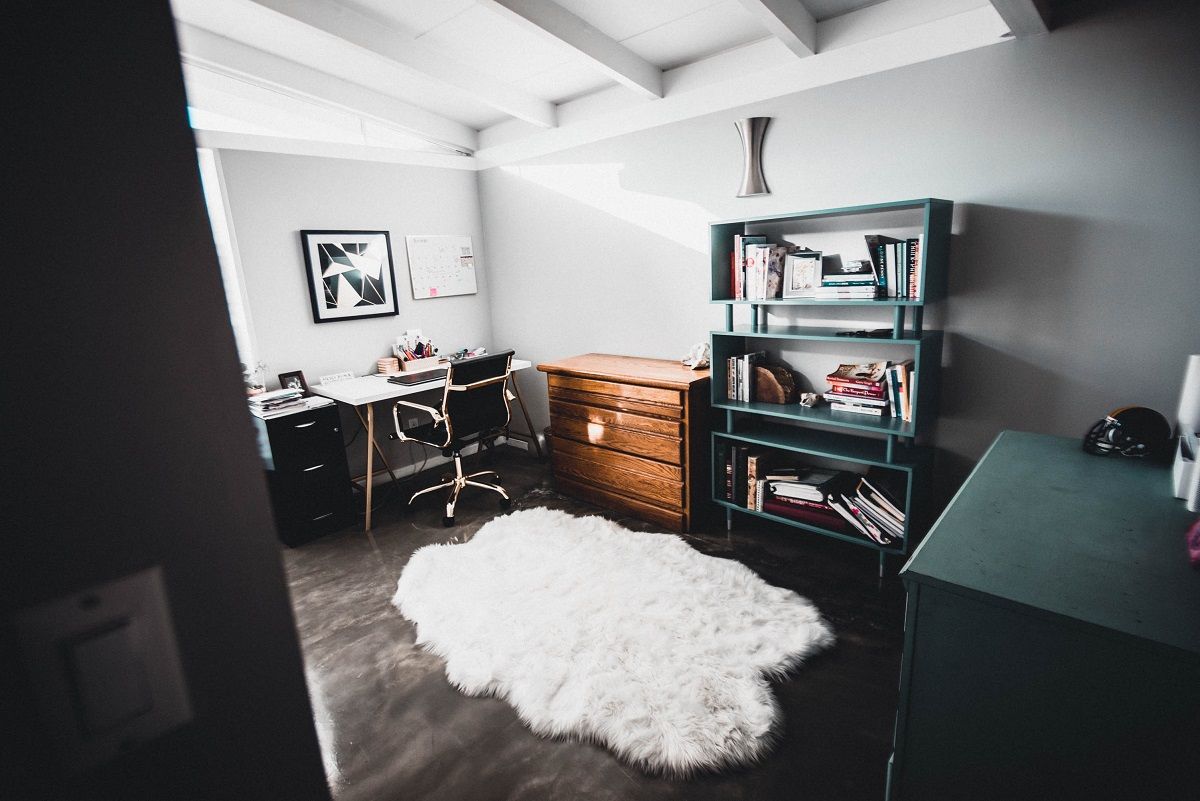
After submitting, you should receive a confirmation that your taxes have been processed. Before you start claiming deductions, make sure to gather all necessary documents, such as receipts or invoices for any expenses you are deducting. If your business earns income in a foreign country, then you may be able to take advantage of the foreign-earned income exclusion. This can help reduce the amount of taxable income that you owe on your business earnings. Your home office doesn’t have to be a separate room but the IRS requires that it’s a distinct area that’s used as your home office only.
However, taking the home office deduction comes with pros and cons, and it is not always the best choice for your tax bill. You are in business providing daycare for children, people over age 65, or those who can't care for themselves physically or mentally. If you do not have permanent partitions, you should take care to define the space with furniture or some other way because you must only use this space for business purposes.
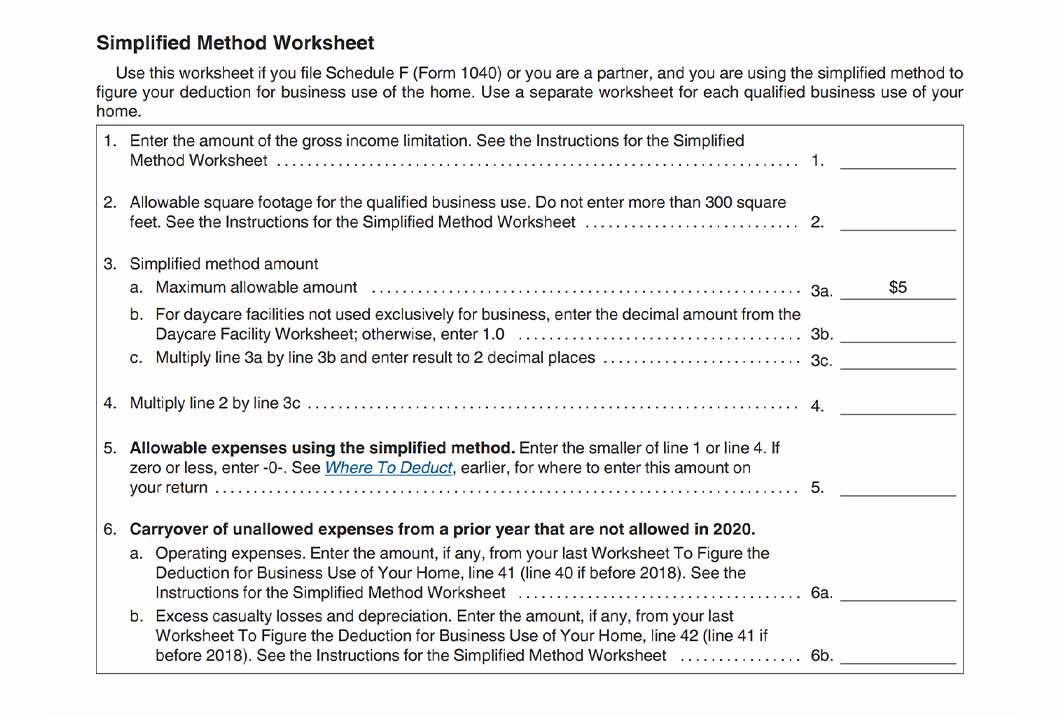
To use the actual-expenses method, you’ll need the gross income from your business for the year . Doesn't include any part of the taxpayer's property used exclusively as a hotel, motel, inn or similar business. In 2017, Trump and his wife reported adjusted gross income of negative $12.9 million, leading to a net income tax of $750, the records showed.
Performance information may have changed since the time of publication. If you have expenses used only for your home office space, you can deduct those. For instance, if you pay an electrician to rewire a broken light fixture, you can subtract the bill from taxable business income for that year. If you do a major renovation or improvement, however, you will likely have to depreciate it and claim the deduction in small amounts over a number of years rather than all at once. Claiming the home office deduction can be valuable if you’re hoping to minimize your business’s tax liability.

Generally, the more money you make and the more deductions you take, the higher your refund amount will be. Additionally, tax credits and deductions can significantly increase your refund amount. Your best bet for maximizing your refund is to consult a tax professional who can provide you with tailored advice for your individual situation.


No comments:
Post a Comment